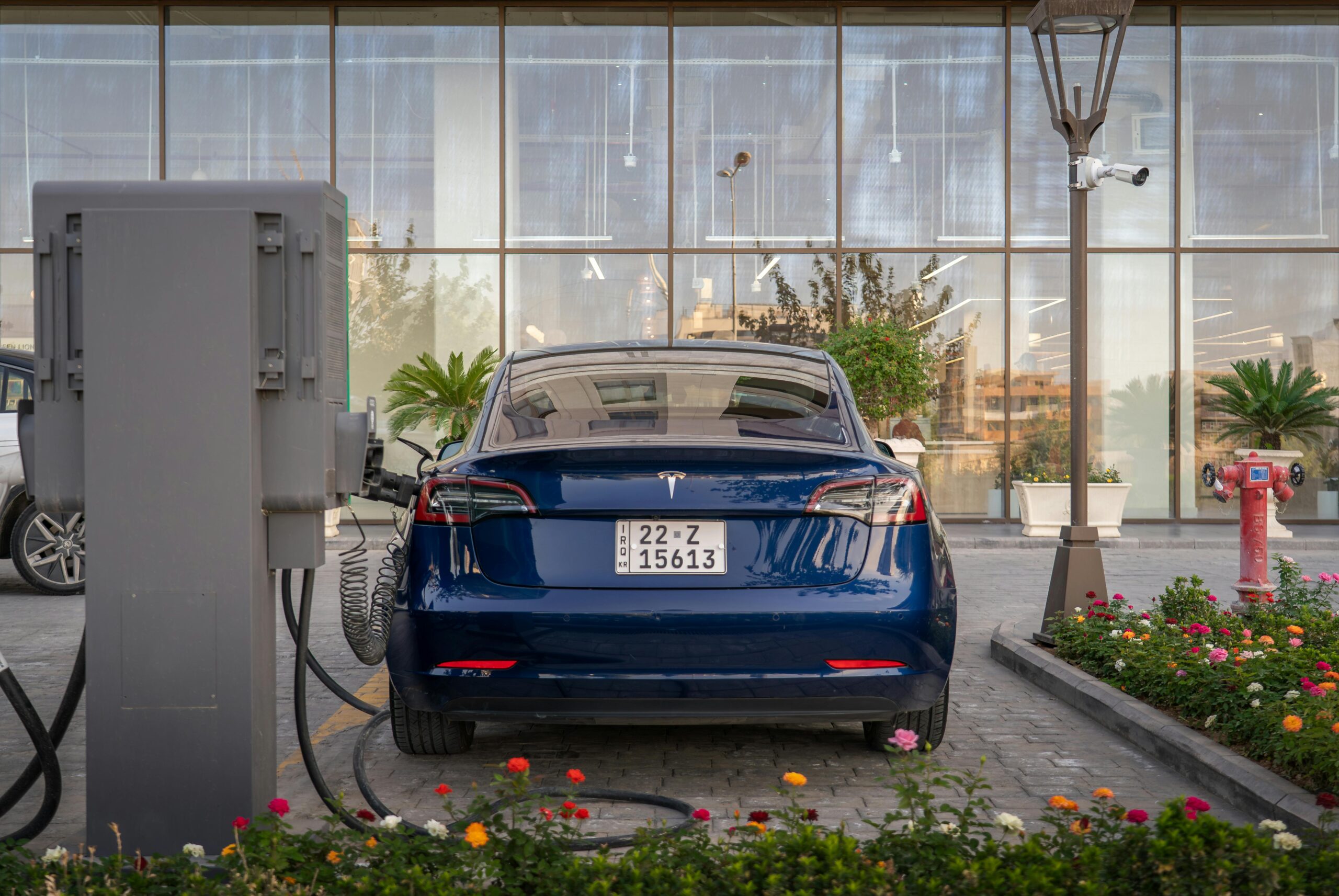
The question of whether electric cars are truly cheaper in the long run has become increasingly relevant as more people consider switching away from traditional petrol and diesel vehicles. With rising fuel costs, growing environmental awareness, and government incentives encouraging adoption, electric vehicles (EVs) are no longer a niche option—they are becoming mainstream. However, while the upfront price of an electric car can often be higher than that of a comparable internal combustion engine (ICE) vehicle, the long-term financial picture is more nuanced. To understand whether EVs are genuinely more economical over time, it is necessary to examine multiple factors, including purchase cost, fuel savings, maintenance expenses, battery longevity, insurance, depreciation, and broader economic considerations.
The Upfront Cost: A Higher Entry Barrier
One of the most noticeable differences between electric cars and traditional vehicles is the initial purchase price. In many markets, EVs still tend to be more expensive upfront, largely due to the cost of battery technology. Batteries are the single most expensive component of an electric vehicle, and although prices have been declining steadily over the past decade, they still contribute significantly to the overall cost.
For many buyers, this higher sticker price can be a deterrent. However, it is important to consider that governments in various countries offer incentives such as subsidies, tax rebates, or reduced registration fees to encourage EV adoption. These incentives can substantially reduce the effective purchase price, sometimes bringing EVs closer to parity with conventional cars.
In addition, financing options and leasing arrangements are evolving to accommodate electric vehicles, which can further ease the burden of upfront costs. While the initial investment may still be higher in many cases, it is only one piece of the overall cost equation.
Fuel Savings: Electricity vs Petrol and Diesel
One of the most compelling arguments in favor of electric cars is the potential for significant savings on fuel. Electricity is generally cheaper than petrol or diesel on a per-kilometer basis. In countries where electricity costs are relatively low or where renewable energy is widely available, the savings can be substantial.
Charging an electric car at home is typically the most economical option. Overnight charging during off-peak hours can further reduce costs. Even public charging stations, while sometimes more expensive than home charging, often remain cheaper than fueling a traditional vehicle.
Over the lifetime of a vehicle, fuel savings can add up to a considerable amount. For drivers who cover long distances regularly, the difference in fuel costs can be particularly pronounced. However, it is worth noting that electricity prices can vary significantly depending on location and energy sources. In regions where electricity is expensive or heavily dependent on fossil fuels, the cost advantage may be less dramatic.
Maintenance Costs: Simplicity Pays Off
Electric vehicles have fewer moving parts compared to internal combustion engine vehicles. They do not require oil changes, have no exhaust systems, and lack many of the complex mechanical components found in traditional engines. This simplicity translates into lower maintenance requirements and, consequently, lower maintenance costs.
For example, EVs do not need spark plugs, timing belts, or fuel filters, all of which are common maintenance items in petrol and diesel cars. Brake wear is also reduced due to regenerative braking systems, which use the electric motor to slow the vehicle and recover energy, thereby extending the lifespan of brake pads and discs.
Over time, these reduced maintenance needs can result in significant savings. While occasional repairs may still be necessary, the overall cost of maintaining an electric vehicle is generally lower than that of a conventional car.
Battery Costs and Longevity
The battery is both the most critical and the most expensive component of an electric vehicle. Concerns about battery degradation and replacement costs often feature prominently in discussions about the long-term affordability of EVs.
Modern electric vehicle batteries are designed to last for many years, often with warranties ranging from 8 to 10 years or more. Advances in battery technology have improved durability, and real-world data suggests that many EV batteries retain a large percentage of their capacity even after several years of use.
While battery replacement can be costly, it is relatively rare within the typical ownership period of a vehicle. Moreover, battery prices continue to decline, which means that future replacement costs are likely to be lower than they are today.
It is also worth noting that even when a battery’s capacity diminishes, it does not necessarily render the vehicle unusable. Reduced range may be inconvenient, but the car can still function effectively for many users.
Insurance and Registration Costs
Insurance costs for electric vehicles can vary widely depending on factors such as the model, location, and driver profile. In some cases, EVs may be more expensive to insure due to higher repair costs or the cost of replacing specialized components like batteries. However, as EVs become more common and repair networks expand, insurance costs are expected to stabilize.
On the other hand, some governments offer reduced registration fees or tax benefits for electric vehicles. These incentives can offset higher insurance costs and contribute to overall savings.
Depreciation: A Changing Landscape
Depreciation is a significant factor in the total cost of ownership for any vehicle. Historically, electric cars experienced higher depreciation rates due to concerns about battery life and rapid technological advancements. Early models quickly became outdated as newer, more efficient versions entered the market.
However, this trend is beginning to shift. As electric vehicles become more mainstream and technology stabilizes, resale values are improving. Strong demand for used EVs, particularly in markets with limited supply, can help maintain higher residual values.
That said, depreciation can still vary significantly depending on the specific model and brand. Buyers should consider the track record of a manufacturer and the expected pace of technological improvements when evaluating long-term costs.
Charging Infrastructure and Convenience
The availability of charging infrastructure plays a crucial role in the overall cost and convenience of owning an electric vehicle. In areas with well-developed charging networks, EV ownership is more practical and can lead to greater cost savings.
Home charging is the most convenient and cost-effective option, but not all users have access to it. Apartment dwellers or those without dedicated parking may need to rely on public charging stations, which can be more expensive and less convenient.
The time required to charge an electric vehicle is another consideration. While this does not directly impact financial costs, it can influence the perceived value and practicality of EV ownership. Fast-charging technology is improving, but it still does not match the speed of refueling a traditional vehicle.
Environmental and Social Costs
While the primary focus of this discussion is financial, it is important to acknowledge the broader environmental and social implications of electric vehicles. EVs produce zero tailpipe emissions, which can contribute to improved air quality and reduced greenhouse gas emissions.
In some regions, governments provide additional incentives for EV ownership as part of broader environmental policies. These incentives can indirectly affect the long-term cost equation.
However, the environmental impact of battery production and electricity generation must also be considered. The overall sustainability of electric vehicles depends on factors such as energy sources and manufacturing practices.
Total Cost of Ownership: A Holistic View
When evaluating whether electric cars are cheaper in the long term, it is essential to consider the total cost of ownership (TCO). This includes all expenses associated with owning and operating a vehicle over its lifetime, including purchase price, fuel, maintenance, insurance, depreciation, and taxes.
In many cases, the lower operating costs of electric vehicles can offset their higher upfront prices over time. For drivers who keep their vehicles for several years and drive frequently, the savings on fuel and maintenance can be substantial.
However, the exact cost advantage depends on individual circumstances, including driving habits, local energy prices, available incentives, and access to charging infrastructure.
Regional Differences and Market Variability
The cost-effectiveness of electric vehicles can vary significantly from one region to another. In countries with high fuel prices and strong government incentives, EVs are more likely to be cheaper in the long run. Conversely, in areas with low fuel costs and limited incentives, the financial benefits may be less pronounced.
Electricity prices also play a crucial role. In regions where electricity is expensive, the cost advantage of EVs may be reduced. Additionally, the availability and cost of public charging infrastructure can influence overall expenses.
The Role of Technological Advancements
Technological progress is a key factor shaping the long-term economics of electric vehicles. Advances in battery technology, manufacturing processes, and energy efficiency are driving down costs and improving performance.
As production scales up and competition increases, the price gap between electric and traditional vehicles is expected to narrow further. This trend is likely to make EVs more accessible and cost-effective for a broader range of consumers.
Resale and Second-Life Opportunities
Another aspect of long-term cost considerations is the potential for second-life applications of EV batteries. Even after they are no longer suitable for automotive use, batteries can be repurposed for energy storage systems. This creates additional value and may reduce the overall cost of ownership.
The growing market for used electric vehicles also provides opportunities for buyers to enter the EV market at a lower price point. As the used EV market matures, it is likely to play a significant role in the overall economics of electric mobility.
Psychological and Lifestyle Factors
Cost is not the only factor influencing the decision to switch to an electric vehicle. Convenience, driving experience, and personal values also play important roles. EVs are often praised for their smooth and quiet operation, instant torque, and modern features.
For some buyers, the environmental benefits and reduced reliance on fossil fuels are compelling reasons to choose an electric vehicle, even if the financial savings are modest.
Conclusion: Are Electric Cars Really Cheaper?
The answer to whether electric cars are cheaper in the long term is not a simple yes or no. In many cases, electric vehicles can indeed be more economical over time, particularly when considering fuel savings, lower maintenance costs, and available incentives. However, the extent of these savings depends on a variety of factors, including location, driving habits, and market conditions.
For drivers who can take advantage of home charging, government incentives, and lower electricity costs, the financial benefits of EV ownership are often significant. On the other hand, those without access to affordable charging or who face high electricity prices may find the cost advantage less compelling.
Ultimately, electric vehicles represent a shift not only in technology but also in how we think about transportation costs. As the market continues to evolve and technology advances, the long-term affordability of EVs is likely to improve further, making them an increasingly attractive option for a wide range of consumers.