The question of whether to lease or buy a car has always been a central dilemma for drivers around the world. In 2026, however, the stakes are higher and the decision more layered than ever before. The automotive industry is undergoing a transformation driven by electrification, digital technology, shifting consumer attitudes, and macroeconomic pressures. For many people, a car is no longer just a means of transportation—it is a financial commitment, a lifestyle choice, and increasingly, a technological investment.
In India and globally, the rise of electric vehicles (EVs), improvements in public transportation, and the emergence of mobility-as-a-service platforms are reshaping how people think about owning a vehicle. At the same time, economic factors such as inflation, fluctuating fuel prices, and changing interest rates are forcing buyers to think more critically about long-term financial commitments.
Against this backdrop, choosing between leasing and buying is no longer a straightforward decision. Each option carries distinct advantages, trade-offs, and risks. This article provides a comprehensive exploration of leasing versus buying a car in 2026, examining financial, technological, environmental, and psychological dimensions to help you determine which option best suits your needs.
The Fundamental Difference Between Leasing and Buying
At its core, the distinction between leasing and buying lies in ownership. Leasing a car means you are paying for the right to use it for a specific period, usually two to four years. During this time, the leasing company retains ownership of the vehicle. At the end of the lease term, you return the car, renew the lease, or sometimes have the option to purchase it at a predetermined price.
Buying a car, in contrast, means you own the asset. Whether you pay in full or finance it through a loan, the vehicle eventually becomes yours once all payments are completed. Ownership provides a sense of permanence and control that leasing does not.
This fundamental difference influences every other aspect of the decision, from monthly costs and maintenance responsibilities to long-term financial outcomes and lifestyle flexibility.
Financial Dynamics in 2026
The financial landscape in 2026 plays a critical role in shaping the leasing versus buying debate. Car prices have risen significantly over the past decade, driven by advanced technology, stricter safety regulations, and the growing popularity of EVs. As a result, the upfront cost of buying a car can be substantial.
Leasing often appears more affordable in the short term because monthly payments are typically lower than loan installments. This is because lease payments are based on the vehicle’s depreciation over the lease period rather than its full value. For many consumers, especially younger professionals or those managing tight budgets, this lower entry cost can be highly appealing.
However, leasing does not build equity. Once the lease term ends, you have no ownership stake in the vehicle. If you choose to lease again, the cycle of payments continues indefinitely.
Buying, on the other hand, involves higher monthly payments but offers long-term financial benefits. Once the loan is paid off, you own the car outright and can continue using it without monthly payments. Over time, this can result in significant savings.
Interest rates are another important factor. In 2026, interest rates for auto loans have experienced fluctuations due to global economic conditions. While higher interest rates can make financing more expensive, manufacturers often provide attractive leasing deals with lower effective rates to boost sales. These deals can make leasing seem like the better financial option, but they may include conditions such as mileage limits or penalties for early termination.
The Role of Electric Vehicles and Rapid Innovation
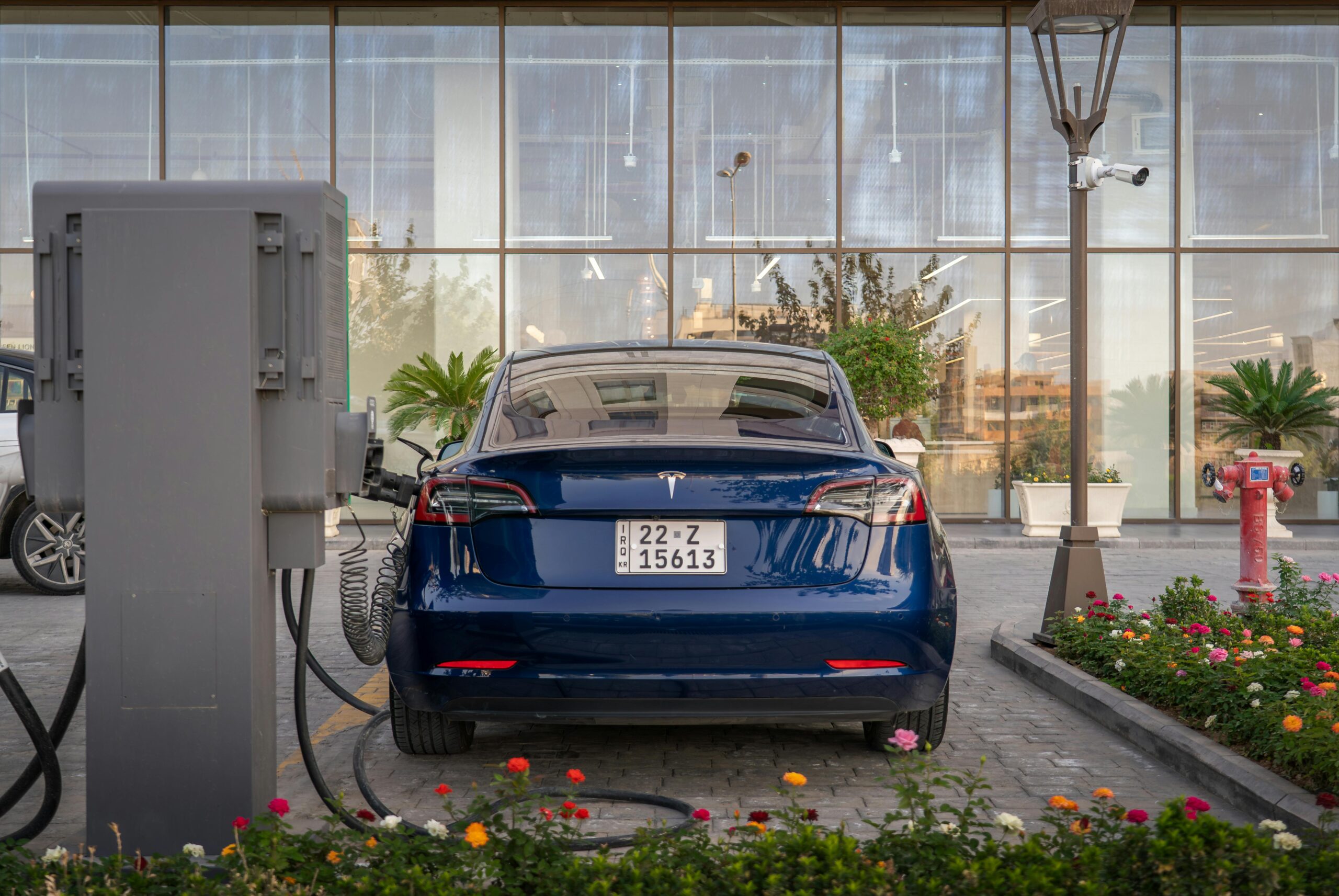
One of the most significant developments influencing this decision in 2026 is the rapid advancement of electric vehicle technology. EVs are no longer niche products—they are becoming mainstream, supported by government incentives, expanding charging infrastructure, and growing environmental awareness.
However, EV technology is evolving quickly. Improvements in battery range, charging speed, and software capabilities are being introduced at a rapid pace. This creates a risk for buyers: a car purchased today may feel outdated within a few years.
Leasing mitigates this risk by allowing drivers to upgrade to newer models more frequently. For example, someone leasing an EV today can switch to a newer version with better range and features after a few years without worrying about resale value.
Buying an EV, however, can still be a smart decision for those who plan to keep the car for a long time. EVs generally have lower running costs compared to petrol or diesel vehicles, thanks to cheaper electricity and reduced maintenance needs. Over several years, these savings can offset the higher initial purchase price.
Depreciation and Resale Value
Depreciation is one of the most important factors to consider when choosing between leasing and buying. Cars lose value over time, and this depreciation can significantly impact the total cost of ownership.
In a leasing arrangement, depreciation is built into your monthly payments. You are essentially paying for the portion of the car’s value that is lost during the lease period. This means you are shielded from the risk of unexpected drops in resale value.
When you buy a car, you assume the full risk of depreciation. In 2026, this risk is particularly relevant for EVs and technology-heavy vehicles, where rapid innovation can lead to faster obsolescence. However, certain models with strong brand reputation and reliability may retain their value better.
In India, the used car market remains robust, which can help offset depreciation for buyers. Still, predicting resale value has become more challenging due to the pace of technological change.
Flexibility and Lifestyle Considerations
Lifestyle plays a crucial role in determining whether leasing or buying is the better option. In 2026, people’s lives are more dynamic than ever, with frequent job changes, remote work opportunities, and increased mobility.
Leasing offers unmatched flexibility. At the end of the lease term, you can simply return the car and choose a new one or opt out of having a vehicle altogether. This is particularly beneficial for individuals who anticipate changes in their living or working situations.
However, leasing comes with restrictions. Most leases include mileage limits, and exceeding these limits can result in additional charges. There are also guidelines regarding wear and tear, and any damage beyond normal use may incur penalties.
Buying a car provides greater freedom. You can drive as much as you want, customize the vehicle, and use it in any way you see fit. This makes buying a better choice for those with stable lifestyles or specific long-term needs.
Maintenance, Repairs, and Ownership Responsibilities
Maintenance is another area where leasing and buying differ significantly. Leased vehicles are typically covered by warranties throughout the lease period, which means most repairs are handled at little or no cost to the driver. This makes leasing a convenient and predictable option.
When you own a car, maintenance becomes your responsibility, especially after the warranty expires. While this can increase costs over time, it also gives you the flexibility to choose service providers and manage repairs according to your preferences.
In 2026, advancements in vehicle diagnostics and predictive maintenance are reducing the likelihood of unexpected breakdowns. These technologies benefit both lessees and owners, but they are particularly valuable for owners who keep their cars for extended periods.
The Psychological Aspect of Ownership
The emotional dimension of the leasing versus buying decision is often underestimated. In many cultures, including India, owning a car is associated with status, independence, and achievement. For many people, the idea of returning a car after a few years without owning it can feel unsatisfying.
Leasing, however, aligns with a growing shift toward access over ownership. Younger generations, in particular, are more comfortable with the idea of using a product without owning it. This mindset is influenced by the popularity of subscription services across various industries.
In 2026, this cultural shift is becoming more pronounced, but the appeal of ownership remains strong, especially among those who value long-term stability and control.
Environmental Impact and Sustainability
Environmental considerations are playing an increasingly important role in consumer decisions. Leasing can encourage the adoption of newer, more efficient vehicles, which may have lower emissions and better energy efficiency.
However, frequent vehicle turnover associated with leasing can also contribute to increased manufacturing demand, which has its own environmental impact. Producing new cars requires significant resources, including raw materials and energy.
Buying a car and using it for a longer period can reduce the environmental impact associated with production. This makes ownership a potentially more sustainable option, depending on how long the vehicle is kept and how efficiently it is used.
Tax Implications and Business Use
For business owners and professionals, the financial equation can be influenced by tax considerations. Leasing often provides tax advantages, as lease payments can be deducted as business expenses. This can reduce taxable income and improve cash flow.
Buying a car also offers tax benefits through depreciation, but these benefits are structured differently and may be realized over a longer period. The specific advantages depend on local tax laws and individual financial situations.
In 2026, as governments continue to promote EV adoption, additional incentives and tax benefits may be available for both leasing and buying electric vehicles.
Emerging Alternatives: Subscriptions and Shared Mobility
The rise of alternative mobility solutions is adding another layer to the leasing versus buying debate. Car subscription services, ride-sharing platforms, and short-term rentals are becoming more popular, especially in urban areas.
These options offer flexibility and convenience but often come at a higher cost compared to traditional leasing or buying. For individuals who require a car only occasionally, these alternatives may be more practical.
Leasing can be seen as a middle ground between ownership and subscription models, offering some flexibility without the higher costs of fully flexible services.
Risk and Uncertainty in the Modern Automotive Market
The automotive market in 2026 is characterized by uncertainty. Rapid technological advancements, changing regulations, and evolving consumer preferences can all impact the value and usability of a vehicle.
Leasing reduces exposure to these risks by limiting your commitment to a shorter period. Buying, while offering long-term savings, requires a greater tolerance for uncertainty.
For example, future developments in autonomous driving technology or changes in environmental regulations could affect the desirability of certain vehicles. Leasing allows you to adapt more easily to these changes.
Making the Right Choice in 2026
Ultimately, the decision between leasing and buying depends on your priorities. Leasing is ideal for those who value flexibility, prefer lower monthly payments, and want access to the latest technology. It is particularly suitable for urban professionals, frequent upgraders, and those exploring EVs.
Buying is better for individuals who prioritize long-term savings, drive extensively, and value ownership. It is also a practical choice for those who plan to keep their cars for many years and want to avoid ongoing payments.
Conclusion
In 2026, the choice between leasing and buying a car is more complex and personalized than ever before. The rapid evolution of automotive technology, combined with changing economic and cultural factors, has transformed the way people approach this decision.
Leasing offers flexibility, convenience, and access to innovation, while buying provides stability, ownership, and long-term financial benefits. Neither option is universally better—the right choice depends on your financial situation, lifestyle, and personal preferences.
As the automotive landscape continues to evolve, staying informed and adaptable will be essential. By carefully evaluating your needs and understanding the implications of each option, you can make a decision that not only meets your current requirements but also positions you well for the future.