Owning a car in the United States is often considered a necessity, especially in suburban and rural areas where public transportation is limited or nonexistent. While the convenience of having a personal vehicle is undeniable, many people underestimate the true cost of car ownership. The expenses extend far beyond the purchase price and include fuel, insurance, maintenance, depreciation, financing, and other hidden costs. Understanding these components in detail is essential for making informed financial decisions and avoiding long-term financial strain.
Understanding the Full Scope of Car Ownership Costs
When people think about buying a car, their primary focus is often on the sticker price or the monthly loan payment. However, this is only a fraction of the total cost. According to estimates from the American Automobile Association, the average cost of owning and operating a new vehicle in the U.S. can exceed $10,000 per year. This figure varies depending on the type of vehicle, location, and driving habits, but it provides a useful benchmark.
The total cost of ownership includes both fixed and variable expenses. Fixed costs, such as insurance and loan payments, remain relatively consistent over time. Variable costs, such as fuel and maintenance, fluctuate based on usage and external factors like fuel prices. Depreciation, though not a direct out-of-pocket expense, represents a significant loss in the vehicle’s value and must be considered when evaluating the overall financial impact.
Fuel Costs: A Daily Financial Commitment
Fuel is one of the most visible and unavoidable costs of owning a car. In the U.S., gasoline prices can vary significantly depending on global oil markets, regional taxes, and local demand. Even small fluctuations in fuel prices can have a noticeable impact on a driver’s annual expenses.
For the average driver who travels about 12,000 to 15,000 miles per year, fuel consumption becomes a major budget item. A vehicle that averages 25 miles per gallon will consume roughly 480 to 600 gallons of fuel annually. At an average price of $3.50 per gallon, this translates to approximately $1,700 to $2,100 per year. However, drivers of larger vehicles such as SUVs and pickup trucks often face much higher fuel costs due to lower fuel efficiency.
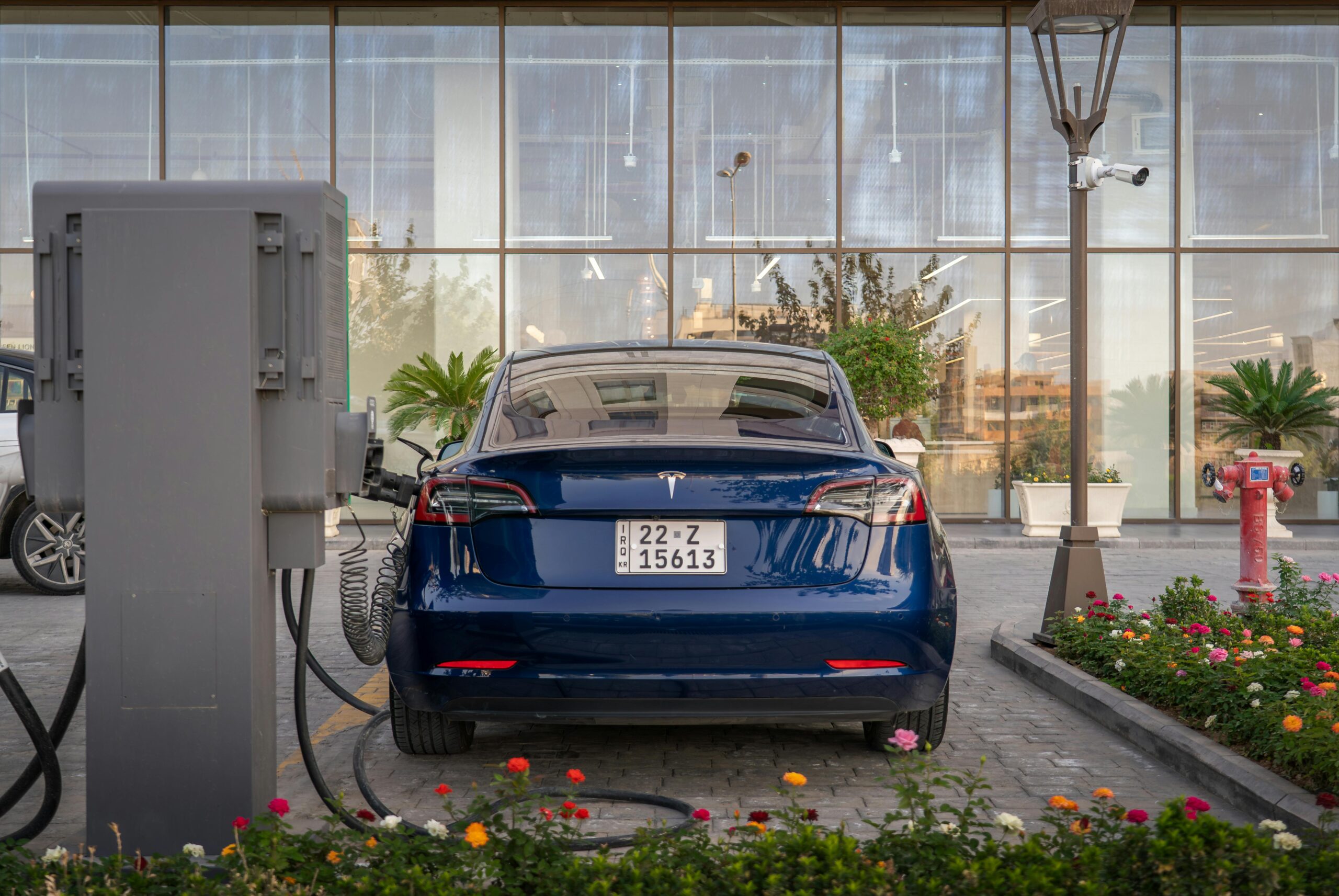
Fuel efficiency is one of the most important factors influencing long-term ownership costs. Compact cars and hybrid vehicles typically offer better mileage, which can lead to substantial savings over time. Electric vehicles (EVs) have introduced a new dimension to fuel costs. Instead of gasoline, EV owners pay for electricity, which is generally cheaper on a per-mile basis. However, the cost of electricity varies by region, and the availability of charging infrastructure can affect convenience and overall savings.
Another factor to consider is driving behavior. Aggressive driving, frequent short trips, and heavy traffic can reduce fuel efficiency, increasing overall costs. By adopting more efficient driving habits, such as maintaining steady speeds and avoiding unnecessary idling, drivers can reduce fuel consumption and save money.
Insurance Costs: Protection with a Price
Car insurance is a mandatory expense in most U.S. states, making it a critical component of the total cost of ownership. Insurance premiums can vary widely depending on several factors, including the driver’s age, driving history, location, credit score, and the type of vehicle being insured.
On average, drivers in the U.S. pay between $1,200 and $2,000 per year for car insurance. Younger drivers, particularly those under 25, often face significantly higher premiums due to their perceived risk. Similarly, drivers with a history of accidents or traffic violations may pay more for coverage.
The type of vehicle also plays a major role in determining insurance costs. Luxury cars, sports cars, and vehicles with high repair costs typically have higher premiums. On the other hand, vehicles with strong safety ratings and lower repair costs tend to be cheaper to insure.
Insurance providers such as GEICO and State Farm offer a variety of policies and discounts. Drivers can often reduce their premiums by maintaining a clean driving record, bundling multiple insurance policies, or opting for higher deductibles. However, it is important to strike a balance between affordability and adequate coverage, as insufficient insurance can lead to significant financial risk in the event of an accident.
Maintenance and Repairs: The Cost of Reliability
Maintenance is an essential aspect of car ownership that ensures the vehicle remains safe and functional. Regular maintenance tasks include oil changes, tire rotations, brake inspections, and fluid replacements. While these routine services may seem minor individually, they add up over time.
On average, drivers spend between $500 and $1,000 per year on maintenance. However, this figure can vary significantly depending on the age and condition of the vehicle. Newer cars often require less maintenance and may be covered by manufacturer warranties, which can reduce out-of-pocket expenses. Older vehicles, on the other hand, are more prone to wear and tear and may require more frequent and costly repairs.
Unexpected repairs can be particularly expensive and unpredictable. Major components such as the engine, transmission, or suspension system can cost thousands of dollars to repair or replace. For this reason, it is advisable for car owners to set aside an emergency fund specifically for vehicle-related expenses.
Preventive maintenance is one of the most effective ways to reduce long-term costs. By addressing minor issues early and following the manufacturer’s recommended maintenance schedule, drivers can avoid more serious and costly problems in the future. Additionally, choosing a reliable vehicle with a strong track record can significantly reduce maintenance expenses over time.
Depreciation: The Largest Hidden Cost
Depreciation is often the most significant cost of owning a car, yet it is frequently overlooked because it does not involve direct payments. Depreciation refers to the decrease in a vehicle’s value over time. From the moment a new car is driven off the dealership lot, it begins to lose value.
In the first year alone, a new car can lose 15% to 25% of its value. Over a period of five years, the total depreciation can reach 50% to 60% or more. This means that a car purchased for $30,000 may be worth only $12,000 to $15,000 after five years.
Depreciation is influenced by several factors, including the make and model of the vehicle, market demand, mileage, and overall condition. Some brands and models retain their value better than others, making them more cost-effective in the long run.
One way to mitigate depreciation is to purchase a used vehicle instead of a new one. Since the initial depreciation has already occurred, used cars tend to lose value at a slower rate. This can result in significant savings over the life of the vehicle.
Financing and Interest: The Cost of Borrowing
For many Americans, purchasing a car involves taking out a loan. While financing makes it possible to buy a vehicle without paying the full price upfront, it also introduces additional costs in the form of interest.
The total interest paid on a car loan depends on factors such as the loan amount, interest rate, and loan term. For example, a $30,000 loan with a 5% interest rate over five years can result in several thousand dollars in interest payments. Longer loan terms may reduce monthly payments but increase the total interest paid over time.
Credit scores play a crucial role in determining interest rates. Borrowers with higher credit scores typically qualify for lower interest rates, while those with lower scores may face higher costs. Making a larger down payment can also reduce the loan amount and, consequently, the total interest paid.
It is important for buyers to carefully consider their financing options and choose a loan that aligns with their financial situation. Comparing offers from different lenders and understanding the terms of the loan can help minimize costs.
Registration, Taxes, and Fees
In addition to the major expenses, car owners must also account for registration fees, taxes, and other administrative costs. These expenses vary by state and can include vehicle registration, title fees, and emissions testing.
On average, these costs range from $100 to $500 per year, but they can be higher in certain states. Some states also impose annual property taxes based on the value of the vehicle, adding to the overall cost of ownership.
While these expenses may seem relatively small compared to other costs, they are recurring and should be included in any comprehensive budget.
Parking, Tolls, and Miscellaneous Costs
Depending on where you live, additional costs such as parking and tolls can significantly impact the total cost of owning a car. In major cities like New York or San Francisco, parking fees can be extremely high, sometimes exceeding $200 per month.
Toll roads and bridges are another common expense, particularly for commuters. While individual tolls may be small, they can add up over time, especially for daily travelers.
Other miscellaneous costs may include car washes, detailing, roadside assistance memberships, and accessories. While these expenses are optional, they contribute to the overall cost of ownership.
Comparing Gasoline and Electric Vehicles
The rise of electric vehicles has introduced new considerations for car ownership costs. While EVs typically have higher upfront prices, they often have lower operating costs due to reduced fuel and maintenance expenses.
Electric vehicles do not require oil changes, and their simpler mechanical systems result in fewer maintenance issues. Additionally, electricity is generally cheaper than gasoline on a per-mile basis. However, factors such as battery replacement costs and charging infrastructure must be considered.
Government incentives and tax credits can also affect the cost of owning an EV, making them more attractive to certain buyers. As technology continues to evolve, the cost dynamics between gasoline and electric vehicles may shift further.
Total Annual Cost: A Comprehensive View
When all expenses are combined, the total cost of owning a car in the U.S. can be substantial. A typical breakdown might include:
Fuel: $1,500–$2,500 per year
Insurance: $1,200–$2,000 per year
Maintenance and repairs: $500–$1,000 per year
Depreciation: $3,000–$5,000 per year
Financing (interest): varies
Registration and fees: $100–$500 per year
Miscellaneous costs: variable
This brings the total annual cost to approximately $8,000–$12,000 or more, depending on individual circumstances.
Strategies to Reduce Car Ownership Costs
While the cost of owning a car can be high, there are several strategies that can help reduce expenses. Choosing a fuel-efficient or reliable vehicle is one of the most effective ways to lower long-term costs. Regular maintenance can prevent costly repairs, while safe driving can reduce insurance premiums.
Shopping around for insurance and taking advantage of discounts can also lead to significant savings. Additionally, buying a used car instead of a new one can reduce both the purchase price and depreciation.
Reducing driving frequency by carpooling, using public transportation, or working remotely can lower fuel and maintenance costs. Even small changes in driving habits can have a noticeable impact over time.
Final Thoughts
Owning a car in the United States is a significant financial commitment that extends far beyond the initial purchase price. Fuel, insurance, maintenance, depreciation, and other expenses can add up quickly, making it essential to understand the full scope of costs involved.
By carefully considering these factors and making informed decisions, individuals can better manage their finances and avoid unexpected expenses. Whether choosing a new or used vehicle, gasoline or electric, the key is to align your choice with your budget, lifestyle, and long-term financial goals.